
Translation booth AV requirements
Learn about translation booth AV requirements, and what's needed to provide power, audio and video feed to language vendor at your event.
When to use tabletop translation booth
Tabletop translation booths are a great alternative to fully encapsulated full-size translation booths, but it is important to understand their advantages and shortcomings before deciding one way or another.
Where to place the translation booth
Read professional advice on the placement of translation booths at the events, and what situations to avoid when providing simultaneous interpreting.

What is Whisper Interpreting: Explained
Whisper interpreting (also known as chuchotage) is used when a full audio setup for simultaneous interpreting is not available, and the interpreter whispers the translation to an attendee, so that their voice does not impact the presentation.
What is consecutive interpreting?
Consecutive interpreting is the common style of interpreting for one-on-one meetings between two parties.
What is Simultaneous Interpreting
Simultaneous Interpreting is the most common method of verbal translation for events such as business meetings, conferences, sales kick-offs and large presentations where presenter's speech cannot be interrupted.
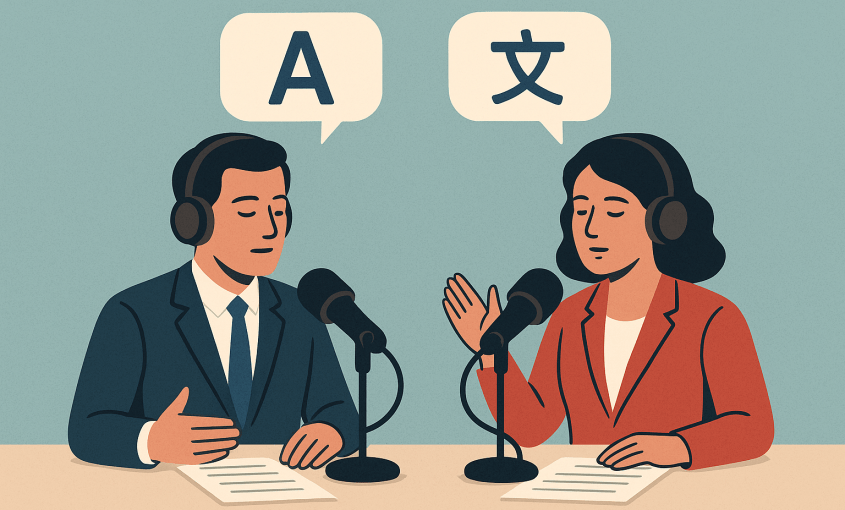
Why you need two simultaneous interpreters
See our tips on simultaneous interpreter meeting as we explain one of the most common questions we hear from the customers when it comes to simultaneous interpreting - about the requirement of having two interpreters for the event.
Localizing strings: creating “Do Not Translate” list
How to create "do not translate" list when you are localizing software. Avoid common pitfalls and plan ahead. An example in SDL Trados Studio.
What is Translation Memory and how it works
How Bilingva uses Translation Memory tools to save customers money and turn around translations quicker. Translation Memory improves the quality as well.